Hung Shui Kiu / Ha Tsuen New Development Area Modem Logistics Cluster

Project Highlights

Strengths

Large Land Resources

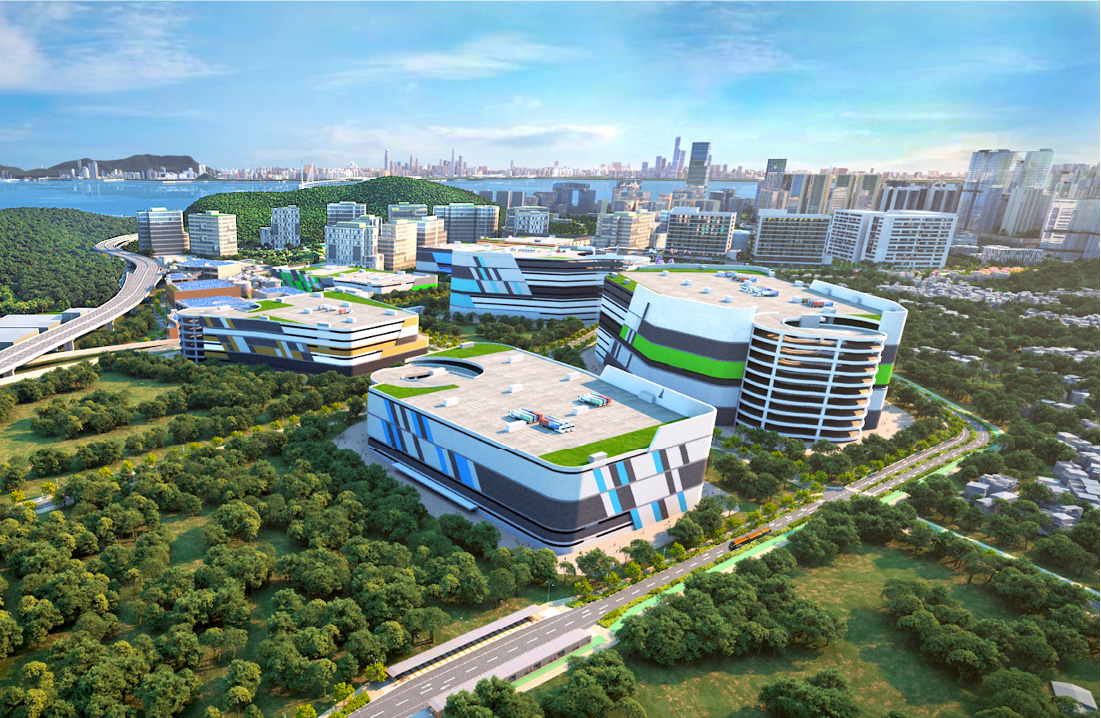
Modern logistics projects generally require larger, single plots of land, as fragmented and overly small plots often struggle to support the actual operational needs of modern logistics. Therefore, modern logistics is better suited for development on sizeable, combinable and flexibly adjustable plots. Compared with traditional logistics sites, the HSK Logistics Cluster provides large land resources, with a total area of approximately 32 hectares. The large area offers sufficient floor space, which can not only accommodate large automated sorting equipment and AS/RS but also attract the agglomeration of high value-added upstream and downstream industries such as manufacturing and processing, forming a strong industry clustering effect. This overcomes the limitations of past fragmented logistics sites, allowing enterprises to achieve scale in operations in a more cost-effective manner.

Strategic Geographical Location

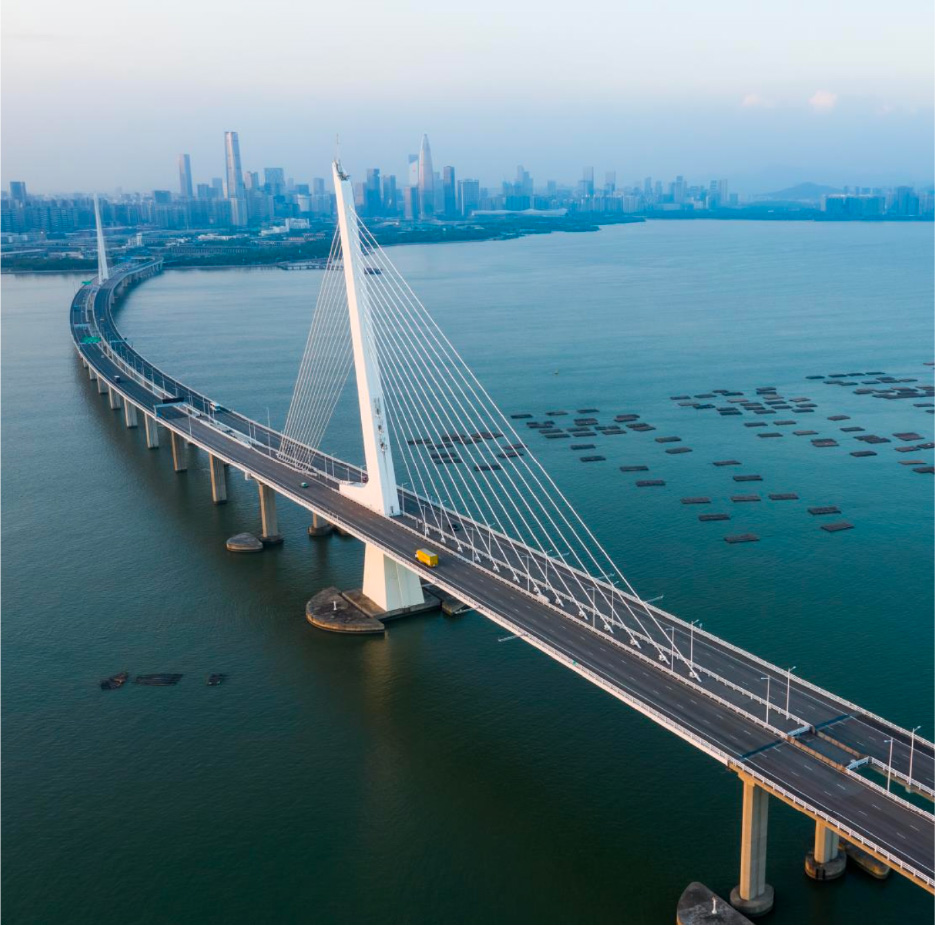
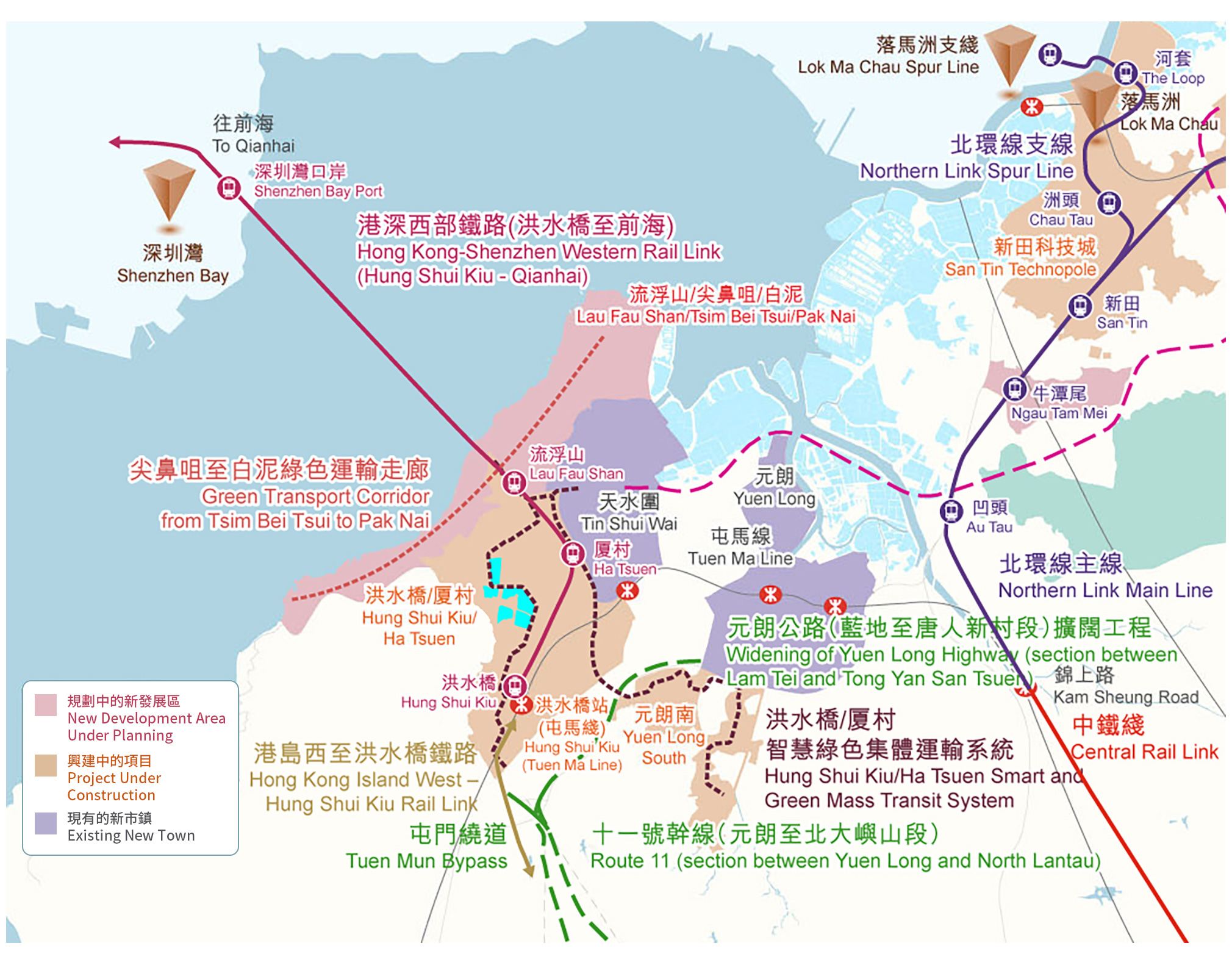
The HSK Logistics Cluster is situated at the core of the “High end Professional Services and Logistics Hub” of the Northern Metropolis, separated from the Shenzhen Bay Port by only a bridge, and in close proximity to Shenzhen Qianhai and Nanshan District. It has the unique strategic value of being a "Two-way Gateway" to the GBA, seamlessly connecting with the Chinese Mainland's vast manufacturing base and consumer market. This geographical advantage makes it the preferred node for cross-boundary flow of high-value cargo (e.g. electronic components, precision instruments). Whether for foreign cargo entering the Chinese Mainland market or Chinese Mainland products "going global," the HSK Logistics Cluster is located at a critical nexus in the supply chain, capable of effectively supporting the rapid development of cross-border e-commerce and international trade.

Convenient Land Transport Network

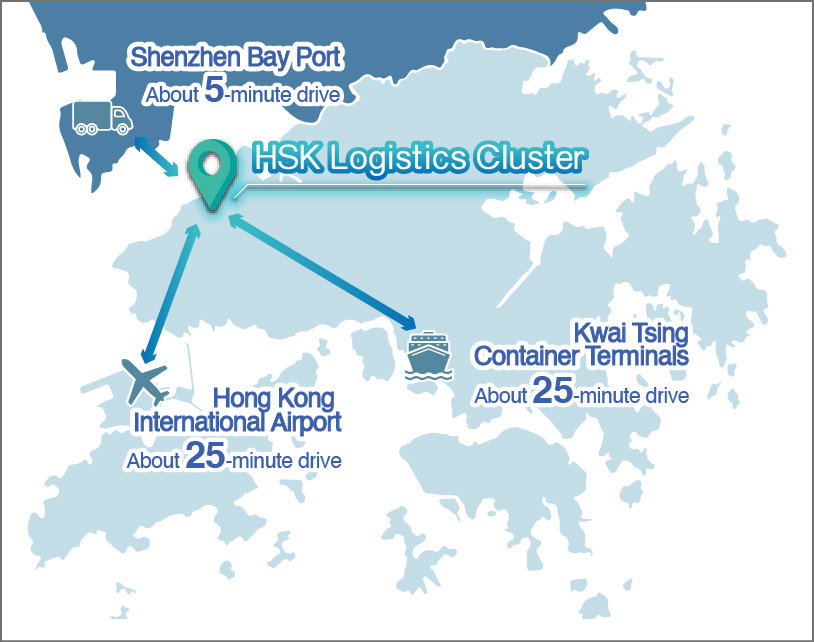
The HSK/HT NDA is supported by a comprehensive land transport network, achieving efficient connectivity with the airport, container terminals, and boundary control points. This gives the area an edge in sea, land, and air multimodal transport, and the conditions for simultaneous interface of cross-boundary land logistics, air cargo transport, and sea transport back-up operations. Via the Kong Sham Western Highway, logistics vehicles can quickly reach the Shenzhen Bay Port in approximately 5 minutes, significantly shortening cross-boundary transport time. With the opening of the Tuen Mun-Chek Lap Kok Link, the distance between the HSK Logistics Cluster and HKIA is significantly reduced. Coupled with the planned Tuen Mun Western Bypass under planning, these enable the HSK Logistics Cluster to handle time-sensitive air cargo quickly, all these reinforcing its "air-land multimodal transport" capability. Furthermore, the HSK Logistics Cluster connects to the Yuen Long Highway and the planned Route 11, allowing cargo to be quickly transported to the KTCTs and urban areas. The convenient land transport network significantly enhances the timeliness and flexibility of logistics distribution from the HSK Logistics Cluster, ensuring the efficient supply chain.

In terms of railway infrastructure, Hung Shui Kiu Station of MTR Tuen Ma Line under construction will serve residents of the HSK/HT NDA and the adjacent areas and support the sustainable growth in population and employment in the NDA. The construction works for Hung Shui Kiu Station commenced in 2024, with completion anticipated by 2030. The alignment of the HSWRL under planning starts from the west of MTR Hung Shui Kiu Station on the Tuen Ma Line under construction, passing through Ha Tsuen and Lau Fau Shan, crossing the Deep Bay and connecting to Qianhai via Shenzhen Bay Port. Upon the commissioning of the proposed HSWRL, it will only take approximately 15 minutes to reach Qianhai from Hung Shui Kiu. As a strategic railway project that supports Hong Kong’s deep integration into the development of the GBA, the HSWRL will connect the metro networks in the western regions of Hong Kong and Shenzhen respectively, helping to create a commute zone between Hong Kong and Shenzhen so convenient that it allows high quality living even on commute and facilitating cross-boundary commerce.

Opportunities

Sustained Growth in High-value Goods Re-export and E-commerce

Hong Kong’s sustained growth in high value goods re-export and e-commerce presents significant market opportunities for the HSK Logistics Cluster. As a separate customs territory, Hong Kong’s free port status allows companies to store and consolidate most high-value goods and provide value added services in respect of them in Hong Kong without the need to consider associated import and export tax costs. According to the figures from the Census and Statistics Department, the export value of high value goods recorded substantial growth over the past decade. These goods include electronic products (up by about 43%), jewellery and precious metal articles (up by about 49%), works of art, collectors’ pieces and antiques (up by about 540%), and medicinal and pharmaceutical products (up by about 33%). This trend will drive the demand for modern logistics facilities in the HSK Logistics Cluster with temperature control, high security and smart inventory management, in order to provide modern logistics services for the above cargoes that require stringent storage conditions. The HSK Logistics Cluster can leverage Hong Kong's advantage in institutions, professional services and international network to focus on high-end logistics development.

Commissioning of the Three-Runway System

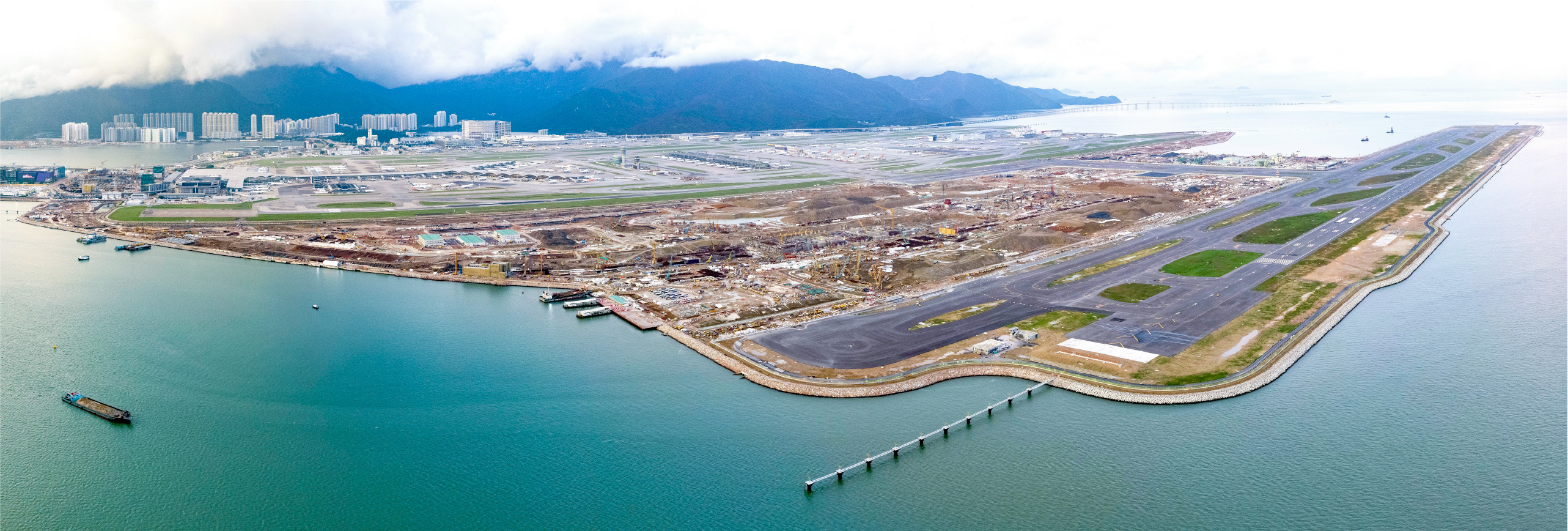
The commissioning of the Three-Runway System (3RS) at HKIA has significantly boosted Hong Kong’s air-cargo handling capacity. It is projected that by 2035, the airport’s annual cargo throughput will reach 10 million tonnes. This massive capacity expansion requires corresponding back-up land support, and land resources on the airport island are limited, creating opportunities for off-island logistics facilities to undertake part of the air cargo logistics operations. The HSK Logistics Cluster, being only an approximate 25-minute drive from HKIA, is capable of handling cargo destined for the airport via land-air multimodal transport. Logistics facilities in the HSK Logistics Cluster can perform palletisation and security screening for air cargo in advance, enhancing overall air freight efficiency and consolidating Hong Kong's status as an international aviation hub.

Cross-boundary Freight Movement under the “East-In East-Out, West-In West-Out” Arrangement

The optimised “East-In East-Out, West-In West-Out” arrangement for Hong Kong–Shenzhen cross-boundary freight movements presents an opportunity for the HSK Logistics Cluster. The cargo clearance service of Huanggang Port ceased in 2025, and cross-boundary lorries entering and exiting western Shenzhen, Dongguan, Foshan and Guangzhou now have to use the Shenzhen Bay Port instead. The study estimates that the over 3,000 daily lorry trips that used to use the Lok Ma Chau Control Point will largely shift to the Shenzhen Bay Port. The HSK/HT NDA, being adjacent to the Shenzhen Bay Port, will naturally become the major cargo distribution centre for "West-In West-Out" cargo flow. This means that cargo from western Shenzhen, Dongguan, Foshan and Guangzhou will converge here for consolidation and re-export. This pattern ensures an adequate and stable supply of cross-boundary cargoes to support the long-term development of logistics facilities within the HSK Logistics Cluster.

Stay Informed